
Mastering the Author’s Journey: From Research to Publishing
The journey to publishing your book is a thrilling, unpredictable adventure. Every author’s path is unique, but there are key milestones that nearly all writers encounter, from research and outlining to revisions and finally, publishing. Whether you’re new to writing or have already completed a manuscript, mastering each step of the process can set you on the road to success.
In this guide, we’ll walk you through the crucial stages of the author’s journey, providing expert tips and insights that will help you publish your book with confidence.
Why Every Author’s Path Is Unique

Every writer’s journey is different, and the process of writing a book varies from person to person. Some authors complete a first draft in a few months, while others may take years. Some choose the traditional publishing route, while others embrace self-publishing for more control.
The key to success is finding your own rhythm and being open to the challenges that come with it. Remember, the author’s journey is not a sprint, it’s a marathon, and each step teaches you something valuable.
Common Milestones for All Writers
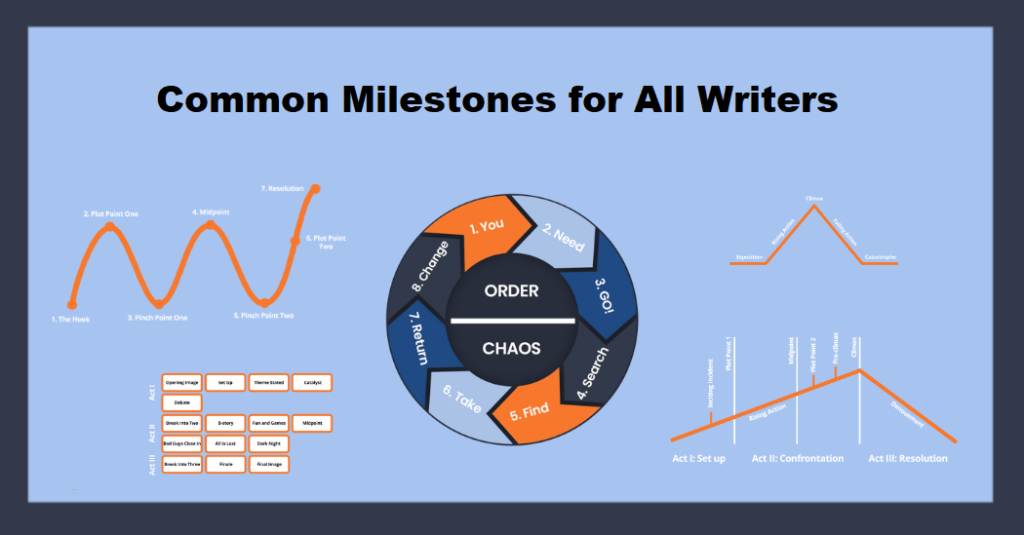
Although each journey is unique, certain stages are common to all authors. Understanding these milestones can help you stay on track and achieve your goals:
- Research: The foundation of any successful book.
- Writing: Getting the story or information down on paper.
- Editing: Refining and improving your work.
- Publishing: Bringing your book to the world.
By recognizing these stages, you’ll understand where you are in the process and what to expect as you move forward.
Laying the Foundation with Research

Choosing Your Topic or Genre
Before you start writing, you need to decide on your book’s topic or genre. This decision sets the tone for the entire writing process. Are you writing fiction or nonfiction? Memoir or self-help?
Each genre requires different techniques and approaches. Choose something you’re passionate about or willing to learn deeply, as this will drive your writing forward.
Understanding Your Target Audience
Knowing who your readers are is crucial. Who are you writing for? Teenagers, entrepreneurs, fantasy lovers? Tailor your writing to resonate with your audience’s needs and interests.
Conducting Effective Background Research
Solid research is the foundation of any book. Whether you’re writing a biography, historical novel, or a self-help guide, effective research adds depth and authenticity to your work.
Consider using both primary and secondary research to gather firsthand information (e.g., interviews, surveys) and review existing literature or studies.
Crafting the Outline of Your Book
Why Outlining Saves Time and Sanity
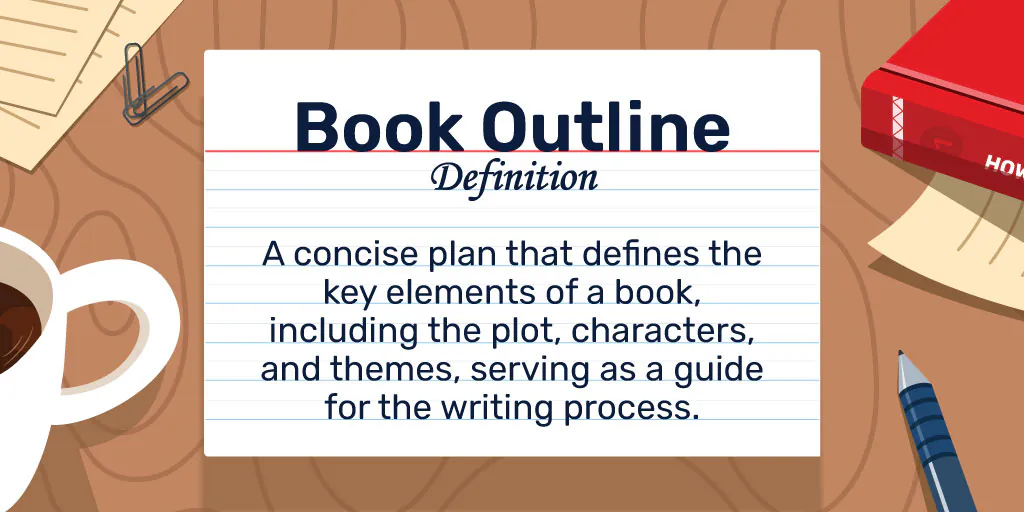
A book outline is your roadmap. It ensures that you stay on track and avoid feeling lost in your own story. Without an outline, you might find yourself meandering through unnecessary sections or forgetting key plot points.
Different Types of Book Structures
Your book’s structure is essential to its flow. Here are a few types to consider:
- Chronological: Ideal for memoirs and biographies, this structure follows a linear timeline.
- Thematic: Used in nonfiction, where the content is organized by themes or topics.
- Non-linear: Perfect for thrillers and literary fiction, where you jump between different timelines or events.
Each structure has its strengths, choose one that fits your genre and helps tell your story in the most engaging way.
Writing Your First Draft
Now comes the messy, magical part—getting the story out of your head and onto the page.
Embracing the Messy First Draft
The first draft doesn’t need to be perfect. The key is to get your ideas down on paper. Don’t worry about grammar or structure yet, focus on the story or the information you want to share.
Developing a Writing Routine
Writing consistently is more important than writing perfectly. Even if you only write 300 words a day, those words add up. Establish a routine, find your best time to write, and stick with it.
Dealing with Writer’s Block
Writer’s block happens to everyone. Try changing your environment, free-writing, or skipping ahead in your outline. Sometimes, stepping away for a walk can refresh your mind and give you a new perspective.
Revisions and Self-Editing
Why Self-Editing Is Crucial
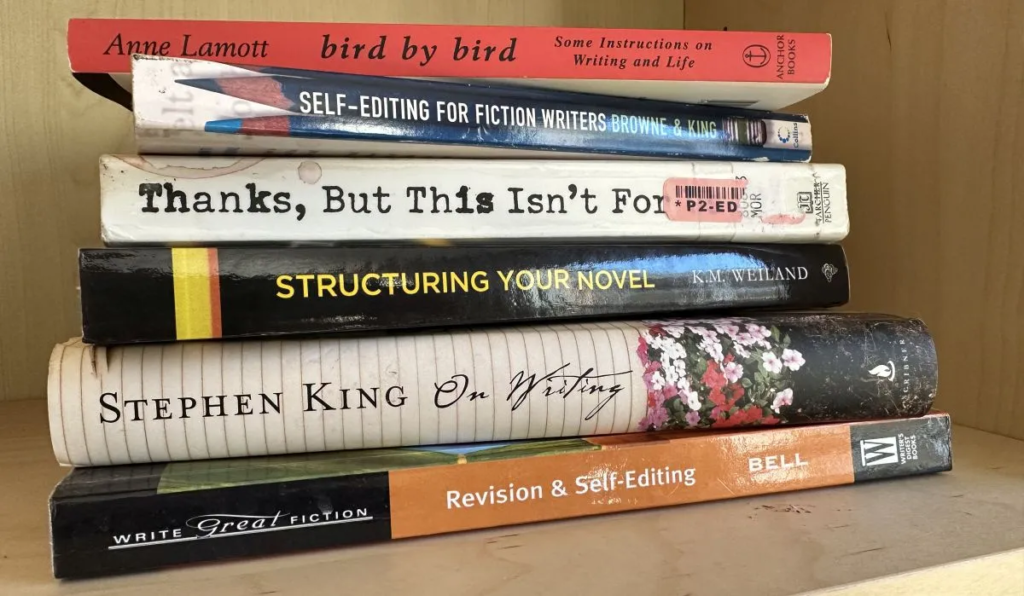
Once your draft is complete, it’s time to revise. Self-editing is essential before you pass your manuscript to a professional editor. Not only does it save you time and money, but it also ensures your manuscript is as polished as possible before submission.
Common Mistakes to Watch For
Keep an eye out for overused words, passive voice, and plot inconsistencies. Make sure your manuscript is concise and engaging, cut out anything that doesn’t serve your story or message.
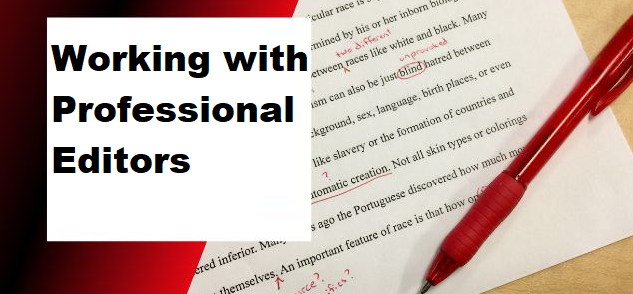
Working with Professional Editors
Types of Editing: Developmental, Line, and Copy Editing
Editing is a multi-step process:
- Developmental Editing addresses big-picture issues like pacing and structure.
- Line Editing focuses on the flow and tone at the sentence level.
- Copy Editing is all about grammar, spelling, and punctuation.
Choose the right editor based on your needs and collaborate closely to bring your vision to life.
Building Your Author Platform
What Is an Author Platform?
Your author platform is how you connect with readers. This can include your website, social media, blog, or podcast. Building a platform early on helps establish a connection with your audience before your book is even published.
Social Media, Websites, and Email Lists
Focus on platforms that suit your voice. Whether it’s Instagram, Twitter, or a personal blog, consistency and authenticity will help you grow your audience.
Deciding Between Traditional and Self-Publishing
Pros and Cons of Traditional Publishing
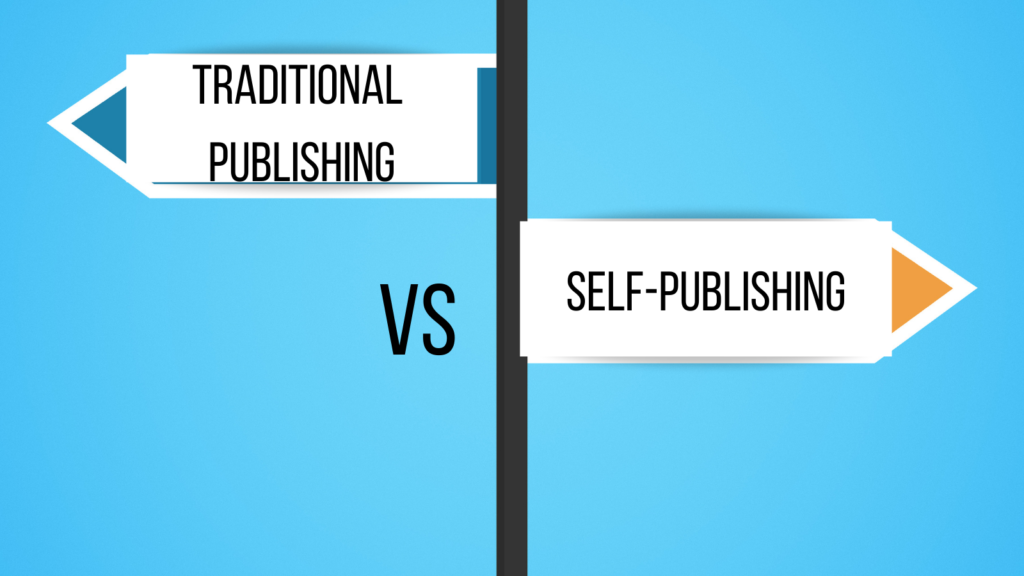
Traditional publishing offers prestige and editorial support but often comes with long timelines and less control over your book. It’s important to weigh the pros and cons before making your decision.
Pros and Cons of Self-Publishing
Self-publishing offers more control, faster turnaround, and higher royalties but comes with its own challenges, such as managing everything yourself or hiring help.
Preparing Your Manuscript for Submission or Publishing
Formatting Your Manuscript
Make sure your manuscript follows industry standards: double-spaced, readable font, and clean margins. Tools like Vellum or Atticus can help format your book to look professional.
Designing an Eye-Catching Cover
Your cover should be a reflection of your book’s genre and appeal to your target audience. A professional cover design can make all the difference in attracting readers.
Conclusion
Becoming an author is more than just writing, it’s a journey of creativity, perseverance, and learning. From the first spark of an idea to the final step of publishing, every phase plays a critical role in shaping your success. Whether you choose to self-publish or pursue traditional publishing, staying committed to the process and continuously improving your craft is key.
Remember, there’s no one-size-fits-all path, but with the right tools, support, and mindset, you can turn your dream of becoming an author into reality. At The US Writers, we’re here to guide you every step of the way, offering expert writing, editing, and publishing services to help you navigate your unique author’s journey. Your story deserves to be told—let us help you bring it to life.
FAQs
1. How long does it take to go from idea to published book?
It varies, anywhere from 6 months to several years, depending on your writing speed and the path you choose.
2. Do I need a literary agent to get published?
Not if you choose self-publishing. Agents are essential for traditional publishing, but not for hybrid or self-publishing.
3. How much does it cost to self-publish a book?
Costs range from $300 to $3,000, depending on the services you use, such as editing and cover design.
4. How do I choose the right self-publishing option for my book?
When choosing a self-publishing route, consider factors like control over the process, royalty rates, distribution options, and the level of support you need to bring your book to market.
5. Can I publish a book without marketing it?
While it’s possible, marketing is crucial. Without it, your book will likely remain unnoticed.