
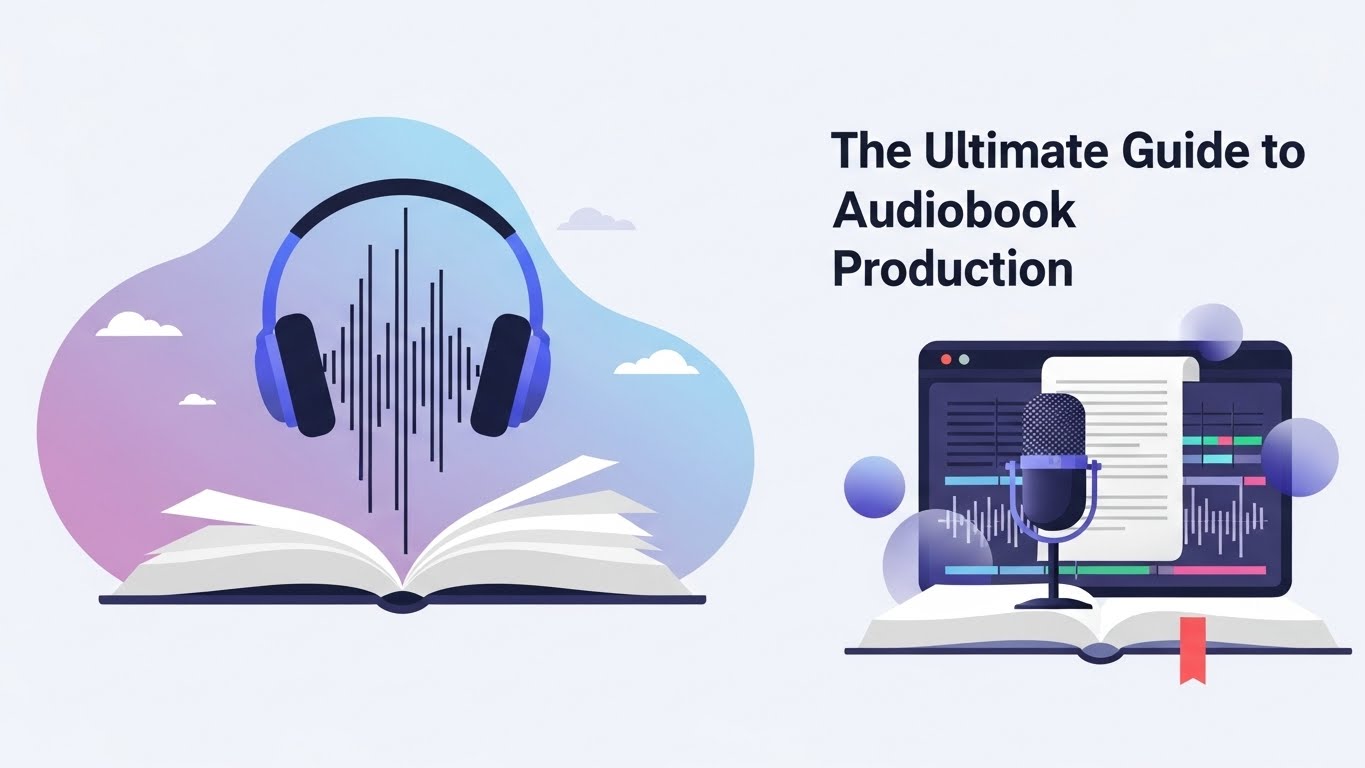
The Ultimate Guide to Audiobook Production
Have you ever enjoyed an audiobook while driving, working out, or relaxing? Audiobooks have become an essential part of modern life, allowing us to consume content while on the go. But have you ever wondered what goes into audiobook production to bring that seamless experience to life?
In this guide to audiobook production, we’ll break down every step of the process, from pre-production to distribution.
Why Audiobooks Are Booming
Audiobooks have exploded in popularity in recent years. With increasingly busy lifestyles, people are seeking content they can enjoy while on the move. Whether you’re looking to learn something new or simply escape into fiction, audiobooks are now a staple of entertainment.
The growing demand has made audiobook production an essential service for authors, publishers, and content creators alike.
Who Can Produce an Audiobook?

It’s no longer just the big publishing houses producing audiobooks. With the rise of technology, independent authors, small publishers, and even podcasters can now produce high-quality audiobooks.
Platforms like The US Writers make audiobook production more accessible than ever, offering services like narration, editing, and distribution.
Pre-Production: Laying the Groundwork
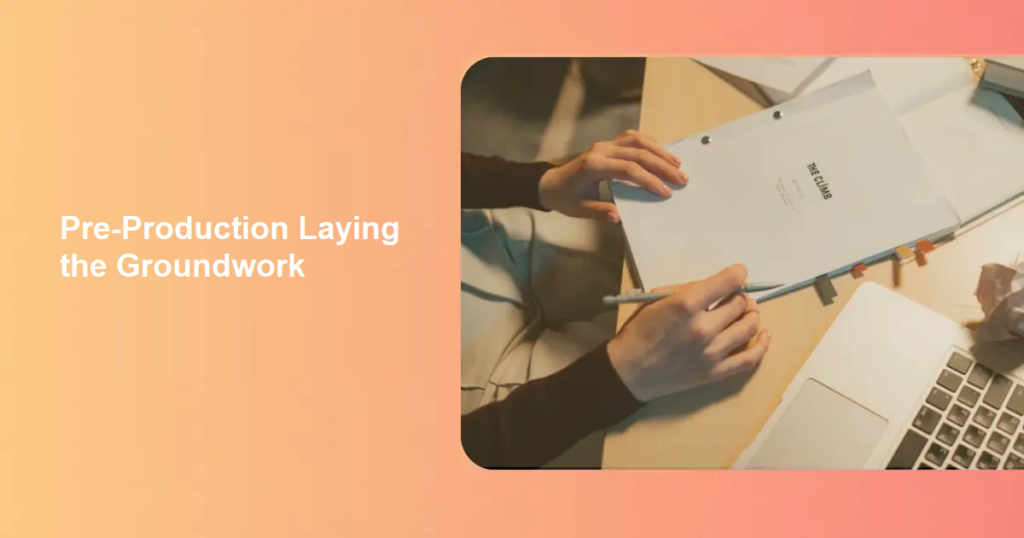
Before you hit the record button, there’s plenty of preparation involved in getting your audiobook ready for production.
Selecting the Right Book for Audio
Not all books translate well into audiobooks. Dialogue-heavy novels, motivational books, and non-fiction with clear narratives are ideal. Consider your book’s narrative structure before diving into production.
Determining Your Target Audience
Understanding your target audience helps determine the tone, style, and pace of the narrator’s performance. Is your audience young adults, professionals, or children? This will influence the entire audiobook production process.
Setting the Budget and Timeline
Planning your budget and timeline is essential for a smooth production. Audiobook production costs can vary, but knowing your budget helps avoid surprises.
Audiobook Script Preparation
Manuscript Review and Adjustments
You can’t simply read the manuscript as-is for an audiobook. It often needs slight edits to make it suitable for audio. For example, tables, footnotes, and images may need verbal descriptions or removal.
Identifying Difficult Words and Pacing
Some words might be hard to pronounce or awkward to say out loud. These must be flagged before recording begins to maintain a smooth narration.
Casting the Perfect Narrator
Author Narration vs. Professional Voice Actor
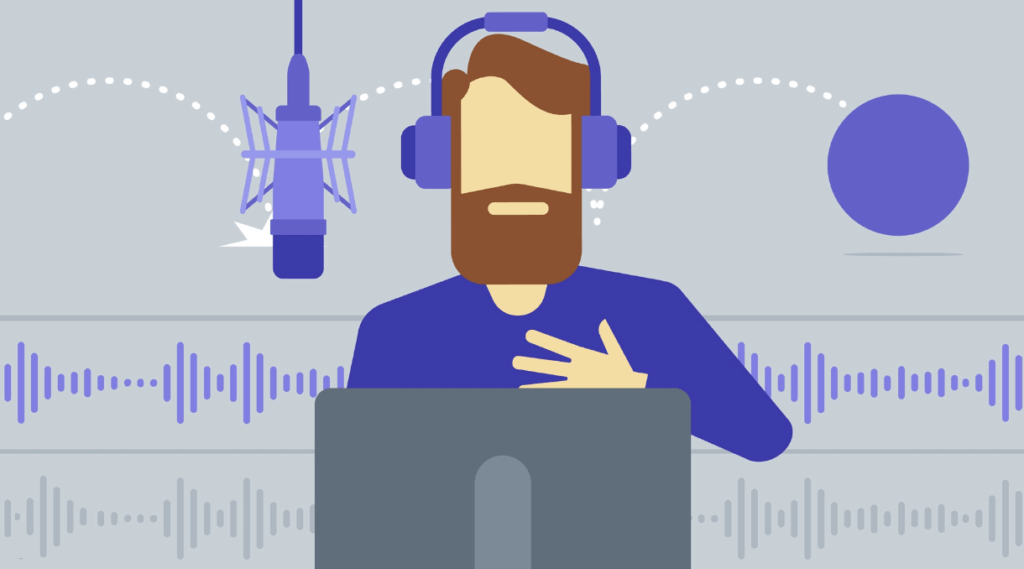
Should the author narrate their own book? Sometimes yes—especially if the author’s voice adds authenticity. However, most audiobooks benefit from professional voice actors who bring experience and versatility to the performance.
Voice Auditions and Selection Process
Casting calls involve reviewing voice samples to find the best fit. The narrator’s voice should align with your book’s tone and resonate with your target audience.
Recording the Audiobook

Choosing the Right Recording Studio
A soundproof studio with high-quality acoustics is crucial. Some producers opt for home studios with professional setups to save on costs.
Recording Equipment
To produce high-quality sound, microphones, pop filters, audio interfaces, and soundproof booths are essential. A clean, crisp recording is critical for a professional audiobook.
Audio Editing and Post-Production
Once the audiobook is recorded, the next step is editing.
Removing Mistakes and Background Noise
Every cough, page flip, or stumble needs to be removed. Silence gaps are adjusted, and any errors in pronunciation or pacing are fixed during audio editing.
Balancing Audio Levels
The editor ensures that the sound levels are smooth and consistent throughout the audiobook. Subtle effects or music may be added to enhance the listening experience.
Quality Control and Proof Listening
No audiobook should go live without a proof listener reviewing the entire recording. They ensure there are no mispronunciations, pacing issues, or background noise.
Final Mastering of the Audiobook
Preparing Different File Formats
Once the audiobook is edited, it needs to be formatted for various platforms, like Audible, Spotify, or Apple Books. The most common formats are MP3 and M4B.
Meeting Distribution Platform Standards
Each platform has specific requirements for audio quality, file size, and metadata. The final mastering ensures the audiobook meets these standards, ready for upload.
Distribution and Publishing
Uploading to Audiobook Platforms
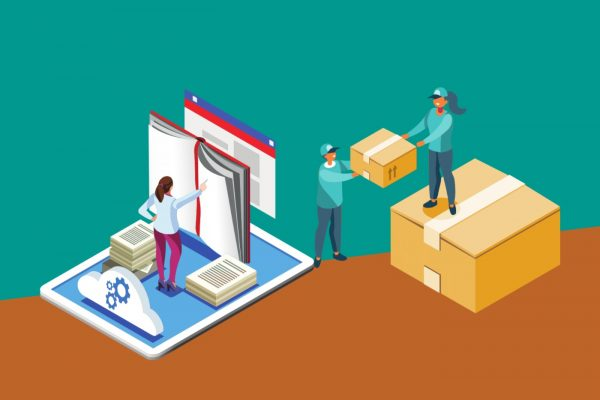
Once mastered, the audiobook is ready for distribution. The US Writers helps authors upload their audiobooks to major platforms like Audible and Spotify, ensuring maximum exposure.
Marketing and Launch Strategies
Building a Buzz Before Launch
Marketing your audiobook begins long before the release. Share sneak peeks, audiobook sample clips, and teaser videos to build anticipation.
Audiobook Sample Clips and Author Interviews
Leverage social media platforms like Instagram and TikTok to promote audiobook sample clips and conduct author interviews.
Marketing Costs
Marketing an audiobook can require an investment in paid advertising, but it’s a worthwhile expense to ensure your book reaches its audience.
Costs Involved in Audiobook Production
Detailed Breakdown of Expenses
- Optional Marketing Costs: For social media ads and promotions
- Narration Fees: $200 – $500 per finished hour
- Studio Rental: $50 – $200 per hour
- Editing & Mastering: $50 – $100 per finished hour
- Distribution Fees: Royalties or flat fees
Tips for a Successful Audiobook Production
Common Mistakes to Avoid
- Skipping professional editing
- Using low-quality recording equipment
- Miscasting the narrator
- Ignoring platform-specific requirements
Secrets to Stand Out in the Market
- Invest in top-notch narration.
- Create an engaging audiobook cover design.
Use strategic marketing on podcasts, social media, and collaborations.
Conclusion
Audiobook production is a multi-step process that involves planning, recording, editing, and distributing. From casting the perfect narrator to ensuring audio consistency during editing, each step ensures your audiobook delivers the best listening experience.
Whether you’re an author or a producer, the world of audiobook production is filled with exciting possibilities.
Frequently Asked Questions (FAQs)
1. How long does it take to produce an audiobook?
It usually takes between 4 to 12 weeks, depending on the book’s length and the production schedule.
2. Can I record my audiobook at home?
Yes, with the right equipment and a quiet environment, but hiring a professional sound engineer is highly recommended for best results.
3. How do I choose the best narrator?
Consider their voice tone, pace, emotional range, and past audiobook experience. Always request sample readings before finalizing.
4. What are the best platforms to sell my audiobook?
Amazon’s ACX, Audible, Findaway Voices, Google Play, and Apple Books are some of the top platforms for distribution.
5. Do I need a separate contract for audiobook rights?
If you’ve sold your book’s print or eBook rights to a publisher, always check whether you still retain audiobook rights before proceeding.