

Discover the Benefits of Self-Publishing with US Writers
The rise of self-publishing has revolutionized the way authors share their work with the world. In 2025, more US writers are choosing to self-publish than ever before, bypassing traditional publishing routes to take control of their careers. But what makes self-publishing so appealing? And how can US writers fully leverage the benefits it offers?
In this article, we’ll explore the many beneifts of self-publishing and why it’s the right choice for so many authors today.
What is Self-Publishing?
Self-publishing allows authors to publish their books independently without the need for a traditional publishing house. Authors retain full rights to their work, decide on pricing, cover design, and distribution, and can publish their books in various formats, such as eBooks publishing, audiobooks publishing, and print-on-demand paperbacks.
This direct-to-reader model gives authors unprecedented freedom to control every aspect of their publishing journey.
Why Should US Writers Consider Self-Publishing?
Self-publishing has become increasingly popular due to several key factors, particularly among US writers. From better control over your work to the potential for higher profits, the benefits are clear. But true magic lies in the freedom it gives authors to shape their careers on their own terms.
Benefits of Self-Publishing for US Writers
- Complete Creative Control
When you self-publish, you retain complete creative control over every aspect of your book. You choose the title, cover design, editing, pricing, and even the distribution channels. This control means your work will reflect your vision, rather than being subject to the demands of a traditional publisher.
- Higher Royalties and Profit Margins
Self-publishing platforms like Amazon KDP offer up to 70% royalties for eBook sales. In contrast, traditional publishers typically pay authors just 10-15% of royalties. By cutting out the middleman, you can make a larger profit per sale and have a more direct connection to your income.
- Faster Time to Market
Traditional publishing can take months or even years before your book hits the shelves. With self-publishing, you can have your book published within days or weeks. Once it’s formatted and ready, you simply upload it to your chosen platform and it’s available to readers almost immediately.
- No Gatekeepers or Traditional Publishing Barriers
The traditional publishing world is known for its gatekeepers – agents, editors, and publishers who decide which books get published. With self-publishing, those barriers are removed. If you have a story to tell, you can publish it without needing permission from anyone.
- Flexibility in Marketing and Promotions
As a self-published author, you control your book’s marketing and promotional strategies. This flexibility allows you to run promotions, engage with readers directly, and experiment with different marketing tactics to see what works best for your book and audience.
The Self-Publishing Process
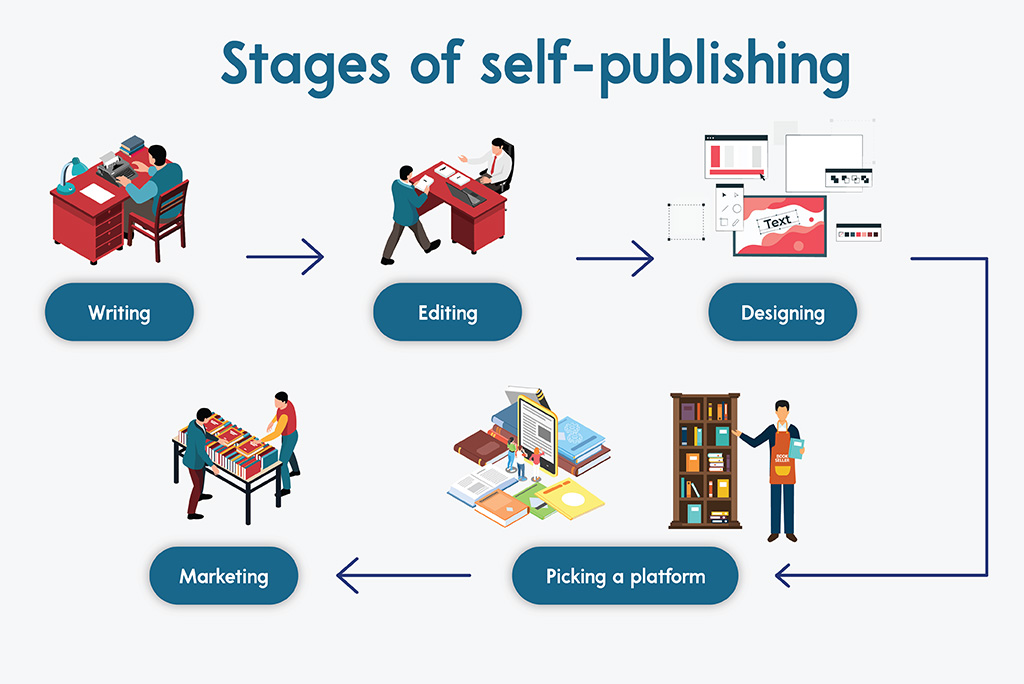
While the benefits of self-publishing are clear, the process itself requires effort and organization. Let’s break down the key steps:
- Writing and Editing Your Book
This is where the journey begins. Writing is hard, but editing is often harder. Make sure to take time to thoroughly edit and proofread your book before publishing. Hiring a professional editor can be an investment worth making. - Designing Your Book Cover
A professional cover design is crucial. Readers often judge a book by its cover, so investing in high-quality design will help your book stand out. Many self-publishing platforms offer easy-to-use tools, or you can hire a designer. - Choosing the Right Publishing Platform
Decide where to publish your book. Popular platforms like Amazon Kindle Direct Publishing (KDP), Apple Books, and Kobo Writing Life offer different features and royalties. Consider factors like royalties, distribution reach, and ease of use when making your decision. - Marketing and Promoting Your eBook
After your book is published, you’ll need to get the word out. Use social media, email newsletters, book blogs, and even paid ads to promote your book. Some platforms, like KDP, offer promotional tools like Kindle Unlimited to help boost visibility.
Popular Self-Publishing Platforms for US Writers
- Amazon Kindle Direct Publishing (KDP)
Amazon KDP is the most popular self-publishing platform. It offers high royalties, a vast audience, and powerful marketing tools. Whether you’re publishing an eBook, audiobook, or print book, KDP makes it easy to reach readers worldwide. - Apple Books for Authors
Apple Books is a great platform for reaching Apple users on iPhones, iPads, and Macs. The platform offers tools for authors, including pricing flexibility, sales tracking, and easy distribution. - Barnes & Noble Press
With Barnes & Noble’s extensive bookstore presence, their self-publishing platform allows authors to publish eBooks and print books, offering a great option for targeting US readers. - Kobo Writing Life
Kobo is especially popular in Canada and Europe. With Kobo Writing Life, US writers can reach international readers who use Kobo’s eReaders and mobile apps. - Draft2Digital
Draft2Digital distributes your eBook to multiple platforms, including Apple Books, Kobo, and Barnes & Noble. It’s an easy-to-use service that handles formatting and distribution, saving you time.
Challenges of Self-Publishing and How to Overcome Them

- Managing Multiple Tasks
As a self-published author, you wear many hats: writer, editor, marketer, designer, and more. It can be overwhelming at times, but using tools like project management apps or outsourcing tasks like cover design and marketing can help alleviate some pressure. - Marketing Your Book
One of the most significant challenges of self-publishing is getting noticed in a crowded market. To overcome this, focus on building an author platform through social media, email marketing, and networking with other authors and bloggers. - Competing in a Crowded Market
The ease of self-publishing means there’s a vast number of books competing for readers’ attention. Standing out requires creating high-quality work, investing in professional services (like editing and cover design), and executing a solid marketing plan. - Quality Control and Professionalism
Without a traditional publisher, you are responsible for the quality of your book. This means hiring professional editors, designers, and proofreaders to ensure your book meets industry standards.
Is Self-Publishing Right for You?

Self-publishing isn’t for everyone. If you prefer the support and guidance of a traditional publisher, self-publishing might feel overwhelming. However, if you’re willing to put in the work and take charge of your career, self-publishing can offer great rewards.
Self-Publishing vs. Traditional Publishing
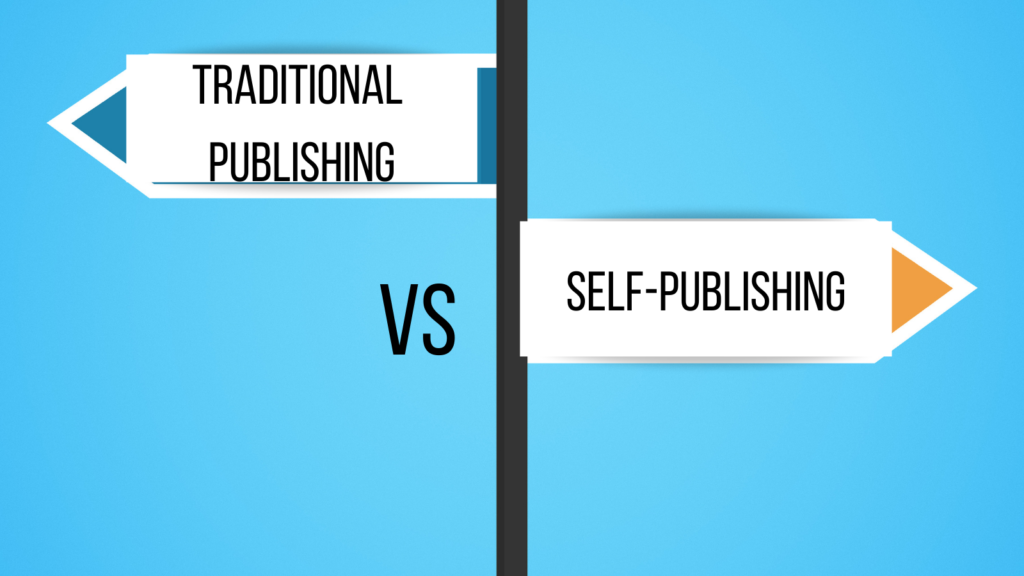
The key difference is control. With self-publishing, you keep all rights and have full control over your book’s pricing, distribution, and promotion. Traditional publishing, on the other hand, provides editorial support and financial backing but at the cost of creative control.
Conclusion
Self-publishing offers US writers unparalleled opportunities to succeed in the digital age. Whether it’s creative control, higher royalties, or faster time to market, the benefits are clear. While the process may require time and effort, the rewards are worth it for many authors. The future of publishing is in the hands of writers, and self-publishing is a powerful tool for those who are ready to take their career into their own hands.
FAQs
- What are the
benefits of self-publishing compared to traditional publishing.
- Self-publishing gives authors more control, higher royalties, and faster time to market.
- How long does it take to publish an eBook?
- It can take anywhere from a few days to a few weeks, depending on your platform and preparation.
- Is self-publishing free?
- Most platforms offer free publishing, but you may need to invest in editing, cover design, and marketing.
- How do I market my self-published book?
- Use social media, book promotions, email newsletters, and book reviews to reach your target audience.
- Can I self-publish multiple books?
- Yes, you can publish as many books as you want on self-publishing platforms, and many authors publish multiple titles.
2 comments on “Discover the Benefits of Self-Publishing with US Writers”