

How the Power of Storytelling in Marketing Can Transform Your Brand
In today’s content-saturated world, how do you ensure your brand stands out? The answer lies in storytelling. Storytelling in marketing is no longer just an art form, it’s a powerful tool that connects, captivates, and converts.
In this article, we’ll explore how to harness the power of storytelling in marketing to engage your audience and boost your brand’s success.
Why Storytelling Matters in Modern Content

Emotional Connection Drives Engagement
People remember how you make them feel, not just what you say. Storytelling in content marketing taps into human emotions, helping build trust and loyalty. When your content stirs emotions, people are more likely to engage, share, and act.
Stories Make Content Memorable
It’s easy to forget dry facts or statistics. But stories? They stick with us. Storytelling helps create vivid mental visuals, making your message more memorable. By integrating narrative techniques, your content becomes much more engaging.
The Science Behind Storytelling

How the Human Brain Responds to Stories
When we hear a story, multiple areas of our brain light up, including sensory, motor, and emotional areas. Unlike processing dry facts, stories activate more parts of the brain, making the content more immersive and impactful.
The Role of Neurochemicals like Oxytocin
One of the reasons storytelling works so effectively is the release of oxytocin—the “trust hormone.” This neurochemical fosters feelings of empathy and connection, making your audience more likely to trust both you and your message.
Core Elements of Powerful Storytelling

Relatable Characters
Great stories need relatable characters—someone the audience can root for. In marketing, these characters could be your customers, your team, or even fictional personas. Relatable characters humanize your brand, making it more engaging and memorable.
Authentic Conflict and Resolution
Every good story has a conflict. Show the problem and how your product or service solves it. This narrative structure from conflict to resolution is what keeps people hooked.
A Clear Message
A powerful story always leaves the audience with a crystal-clear takeaway. In marketing, this could be the benefits of your offering or your brand’s core mission.
Crafting a Brand Story That Resonates

Understanding Your Audience
Start by truly understanding your audience. What excites them? What scares them? What are their pain points and desires? The deeper your understanding, the stronger your story will hit home.
Identifying Your Brand’s “Why”
Why does your brand exist? Your purpose fuels your story. Consumers are looking to connect with brands that stand for something beyond just making money. Knowing your “why” can make your storytelling resonate more deeply.
Being Consistent Across Platforms
Consistency is key in storytelling. Whether it’s your website, Instagram, or emails, your brand’s core message should remain the same across all platforms. The tone may change slightly depending on the medium, but the underlying narrative should align with your brand’s identity.
Storytelling Across Different Content Formats

Blog Posts
Blogs are a great way to weave storytelling into your marketing. Share customer journeys, founder stories, or behind-the-scenes looks to build a deeper connection with your audience.
Social Media
Short-form stories thrive on social media platforms like Instagram and TikTok. Instagram Stories, Reels, and TikTok provide the perfect platforms to give quick, engaging peeks into your brand life.
Video Content
Video supercharges storytelling. It combines visuals, sound, and emotion to make stories deeply engaging. Customer testimonials, brand documentaries, and explainer videos are golden opportunities to showcase your brand’s story.
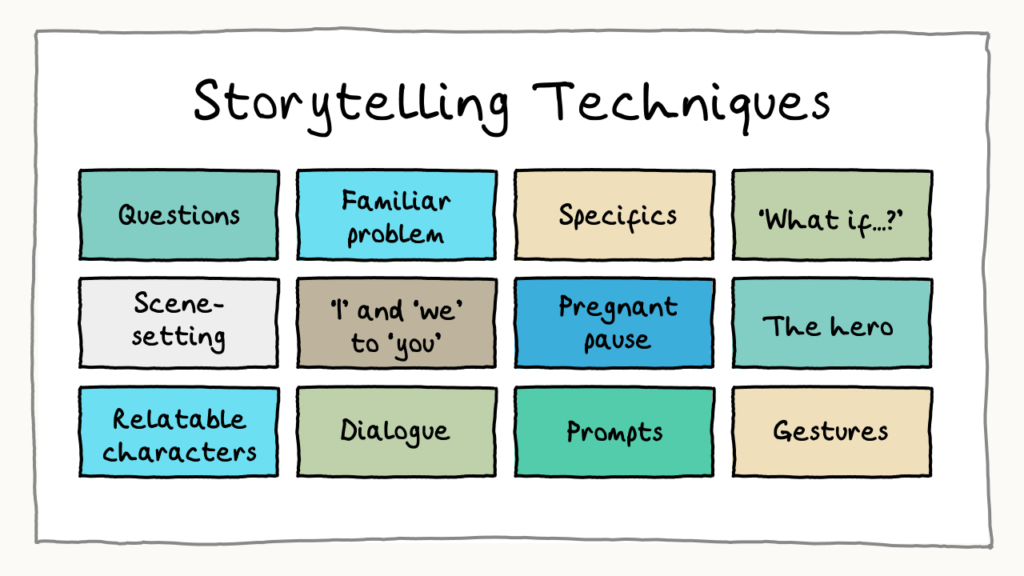
Techniques to Make Your Stories More Impactful
Using Visuals to Enhance Stories
Photos, infographics, and videos bring your story to life. Visuals help people emotionally connect with your narrative, making it more memorable and shareable.
Leveraging User-Generated Stories
Your customers are your best storytellers. Share their testimonials, success stories, and social posts to build trust and authenticity.
Structuring Stories Using Proven Frameworks (e.g., Hero’s Journey)
The Hero’s Journey is a timeless narrative structure. Your customer faces a problem (the villain), your brand acts as the guide, and your product is the solution. This framework resonates universally and works well in content marketing.
Real-World Examples of Brands Excelling at Storytelling

Nike’s Inspirational Stories
Nike doesn’t just sell shoes, they sell stories of athletes overcoming odds. Their “Just Do It” campaigns showcase real people pushing limits, inspiring millions.
Apple’s Customer-Centric Narratives
Apple focuses on how users can achieve incredible things with their products. By positioning the customer as the hero, Apple’s storytelling creates an emotional bond with its audience.
Airbnb’s User-Driven Experiences
Airbnb excels at storytelling by sharing real guest experiences. They highlight personal stories of unique stays, making potential customers feel like they can have those same adventures.
Common Storytelling Mistakes to Avoid

Being Overly Promotional
When a story feels like an ad, people tune out. Instead of focusing on the sales pitch, concentrate on the journey. Let the audience connect emotionally before you subtly show how your product or service fits in.
Lacking Emotional Depth
A flat story doesn’t stick. Without emotions, your audience won’t feel connected or compelled to act. Make sure your storytelling taps into deep emotions like joy, fear, or hope.
Ignoring Audience Relevance
Always ensure that your story is relevant to your audience. If your story doesn’t resonate with their interests or concerns, it will fall flat. Know what matters to them and center your narrative around that.
How to Measure Storytelling Success

Engagement Metrics
Look at likes, shares, comments, and time spent on page. High engagement signals that your story has struck a chord with your audience.
Conversion Rates
A great story doesn’t just entertain; it drives action. Measure clicks, sign-ups, and purchases tied to story-driven content.
Brand Loyalty Indicators
Track repeat customers and referrals. Strong stories build brand loyalty and long-term relationships.
Conclusion
Storytelling in marketing isn’t just a trend, it’s a powerful tool for connecting with your audience and building your brand’s identity. When done right, it makes your content unforgettable, emotionally engaging, and action-driving. Remember, people don’t buy products, they buy stories, feelings, and connections.
Start crafting your brand’s story today, and see how it transforms your content marketing efforts.
FAQs
1. Why is storytelling important in content marketing?
Storytelling helps brands create emotional connections, making their content more memorable, engaging, and persuasive. It turns ordinary messages into impactful narratives.
2. How can I start creating stories for my brand?
Begin by understanding your audience’s needs and your brand’s core mission. Craft stories that align both and showcase real experiences or relatable challenges.
3. What platforms are best for storytelling?
You can tell stories across blogs, social media, videos, and even email marketing. The key is to tailor the format to the platform.
4. How do I know if my storytelling is working?
Track engagement rates, conversion metrics, and customer feedback. If people resonate with your story, you’ll see it reflected in these indicators.
5. Can small businesses benefit from storytelling?
Absolutely! Storytelling levels the playing field. Even without big budgets, small businesses can create authentic, impactful stories that connect deeply with their audience.