

Adventure stories have a unique charm, pulling readers into thrilling worlds filled with danger, courage, and unforgettable discoveries. Whether you’re planning to write your own adventure or simply want to understand the core features of adventure story,
This guide breaks everything down in an easy and meaningful way. And if you feel stuck while shaping your storyline, remember that The US Writers offers reliable writing services to help turn your adventurous ideas into polished, professional content.
Let’s unpack the essential techniques, structures, and elements that make adventure stories so captivating.
1. Understand the Essential Features of Adventure Story
At the heart of every adventure lies a set of foundational narrative features. These include a brave hero, a clear mission, strong conflict, high stakes, and fast-paced storytelling. These core features help shape the tone, direction, and emotional impact of the story.
Readers expect excitement, tension, and unpredictability, which means your adventure must constantly challenge the protagonist while pushing the plot forward.
2. Build a Strong and Relatable Protagonist
A compelling hero is central to the elements of adventure story. This character does not need to be perfect; in fact, flaws make them more interesting. What matters is their determination and willingness to face the unknown.
A strong protagonist:
- Reacts bravely to danger
- Shows personal growth
- Demonstrates emotional depth
- Has a clear personal motivation
This connection helps readers root for them during intense or dangerous moments.
3. Create a Clear Mission or Quest
No adventure exists without a goal. The quest gives purpose to the entire journey and shapes all upcoming challenges. Whether the hero must retrieve an artifact, escape a deadly environment, uncover a mystery, or save someone, the mission builds urgency.
A clear quest also helps define pacing. It tells the reader where the story is headed and why the hero must push through obstacles.

4. Add High-Stakes Conflict and Tough Obstacles
Conflict is a powerful engine of adventure storytelling. These challenges can be physical, emotional, or even psychological. When the stakes are high, readers stay hooked.
Here are some common types of conflict:
- Dangerous terrains or natural disasters
- Enemies, villains, or rival explorers
- Time-sensitive obstacles
- Internal conflict or self-doubt
These conflicts highlight bravery, which is an essential characteristic of adventure stories.
5. Use Suspense and Unexpected Twists
Suspense keeps the reader turning pages. In adventure stories, uncertainty is your friend. A sudden trap, a surprising betrayal, or a hidden clue can instantly shift the narrative direction.
Try adding tension using:
- Cliffhangers
- Rising deadlines
- Threatening moments
- Shocking reveals
Suspense strengthens the emotional investment and makes the journey feel unpredictable.
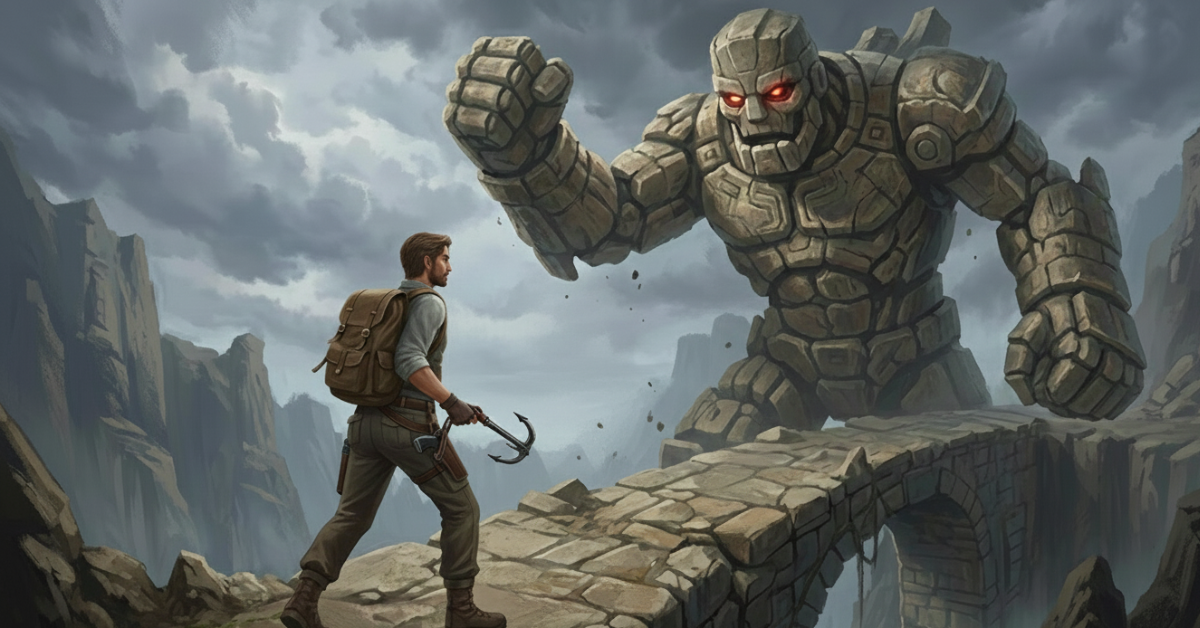
6. Build Rich and Unfamiliar Settings
A major component of an adventure story is the world itself. Whether your setting is a dense jungle, a mysterious island, ancient ruins, or outer space, it should feel immersive and alive.
When describing settings, focus on sensory details:
- Smells
- Sounds
- Weather
- Terrain
- Atmosphere
These descriptions deepen immersion and make the adventure feel real.
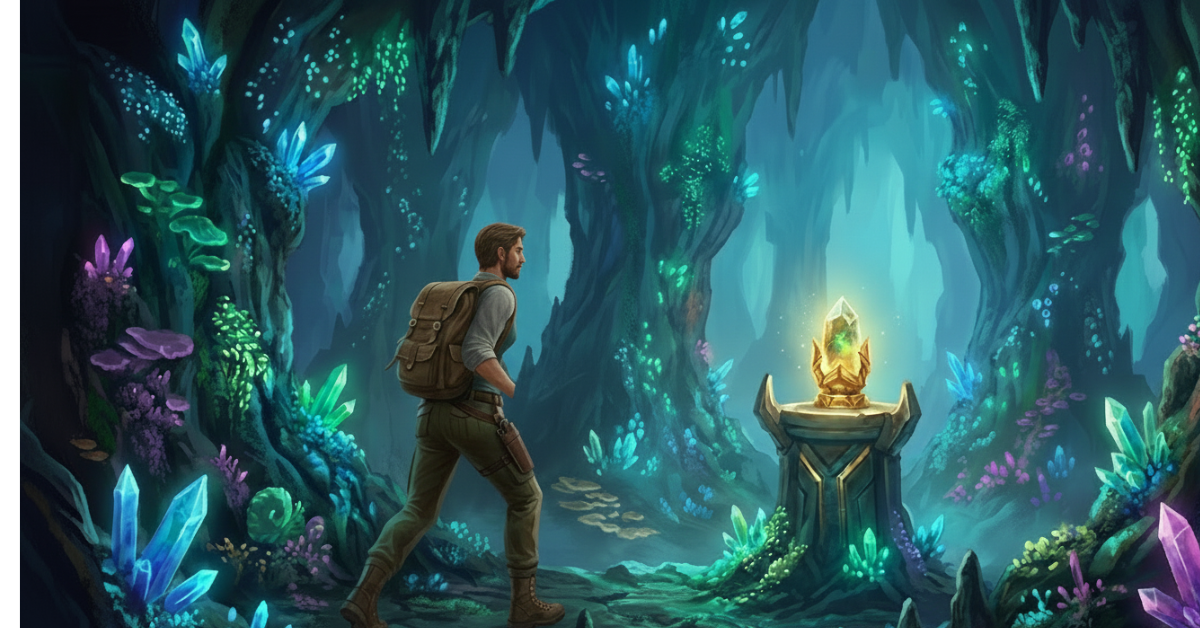
7. Keep the Plot Fast-Paced and Action-Driven
Adventure stories move quickly. This doesn’t mean your story should rush, but each scene should contribute to momentum. The pacing creates excitement and mirrors the intensity of the journey.
You can maintain fast pacing by:
- Short action sequences
- Dynamic transitions
- Quick problem-solving moments
- Minimal filler content
This style makes the reading experience energetic and engaging.
8. Show Character Evolution Throughout the Journey
Adventure is not only physical—it’s emotional. As the protagonist overcomes challenges, they gain insight, strength, or courage. This personal transformation makes the ending feel more satisfying.
Most heroes evolve by:
- Conquering fears
- Understanding their purpose
- Forming meaningful alliances
- Learning new survival skills
This growth aligns with semantic concepts like character arcs, themes, and emotional progression.
9. Structure the Story for Maximum Impact
An adventure story benefits from a clear, strong structure. Each phase should build on the previous one, creating a natural rise in intensity.
Typical structure:
- Beginning: Introduce hero, setting, mission
- Middle: Conflicts, dangers, discoveries
- Climax: The most intense moment or final battle
- Resolution: The hero completes (or fails) the mission
A solid structure supports readability and pace, two essential features of adventure story writing.
10. End with a Powerful Resolution
A satisfying ending is crucial. Whether the protagonist wins, loses, or discovers something unexpected, the conclusion must give closure.
A strong resolution often:
- Reflects the hero’s growth
- Wraps up the central mission
- Resolves major conflicts
- Leaves a meaningful message
Endings create emotional payoff and influence how readers remember the story.
Conclusion
Understanding the features of adventure story helps writers create more engaging, action-filled narratives. By focusing on strong characters, a clear mission, immersive settings, and fast-paced conflict, you can craft an adventure that feels exciting and meaningful.
And if you ever need expert help polishing your adventure story or creating a compelling narrative from scratch, The US Writers is always here to support your creative journey with professional storytelling and writing assistance.
Frequently Asked Questions
1. What are the main features of adventure story?
They include a brave hero, a compelling mission, suspense, high stakes, and dynamic plot progression.
2. Why is the setting important in adventure stories?
A unique setting adds danger, mystery, and atmosphere, making the adventure feel immersive.
3. How do I build suspense in an adventure story?
Use cliffhangers, unpredictable challenges, time limits, and emotionally charged moments.
4. What makes an adventure story exciting?
Fast pacing, strong conflict, intense stakes, and unexpected twists keep readers hooked.
5. Can adventure stories be realistic?
Yes. Adventure stories can be purely fictional or based on real events—as long as they follow core adventure elements.
6. What type of characters fit best in adventure stories?
Brave, curious, determined characters who are willing to take risks and evolve through challenges.