
How to Find a Professional Editor for Your Book
Writing a book is a deeply emotional journey , but refining it into a polished, publish-ready manuscript takes a different kind of skill. That’s where professional book editing services come in. Whether you’re self-publishing or aiming for a traditional deal, the right editor can elevate your writing, strengthen your storytelling, and make your book shine in a crowded marketplace.
In this guide, you’ll learn how to find a professional editor, what type of editing your manuscript needs, what it should cost, and how to choose someone you can trust with your work.
What a Professional Editor Really Does
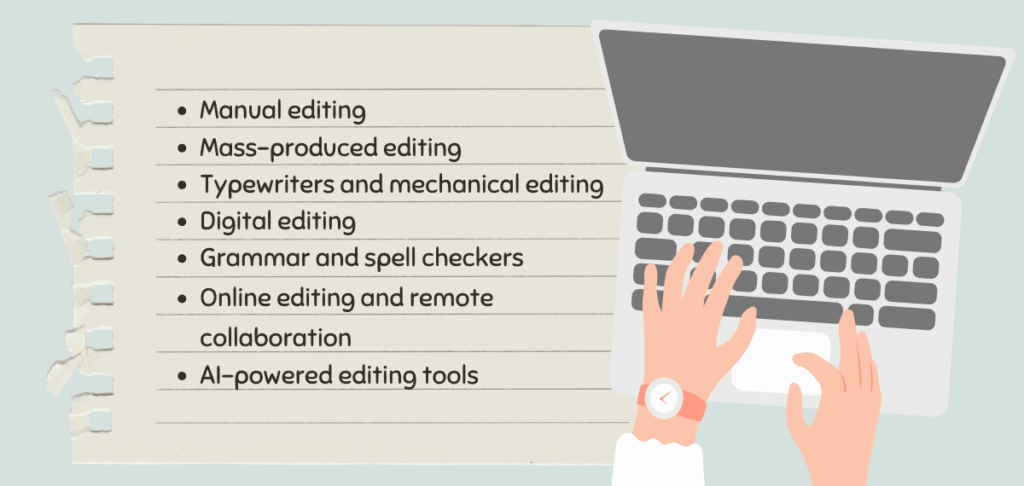
A good editor doesn’t just fix commas, they help shape your book into the best version of itself.
Beyond Grammar: The Real Role of an Editor
Editors look at clarity, structure, pacing, tone, flow, and reader experience. They help refine your voice while removing distractions that weaken your message.
Why Editing Matters for Publishing Success
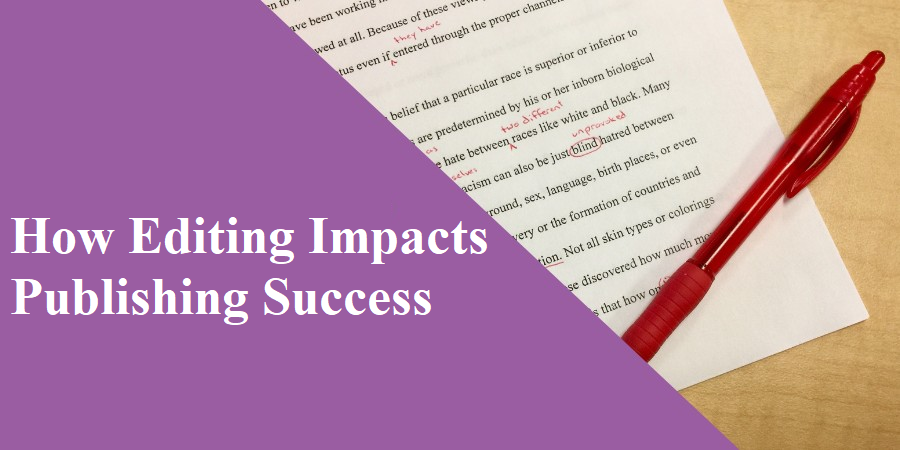
Readers instantly feel when a book is well-edited. Good editing improves readability, boosts your credibility, increases your chances with publishers, and can significantly improve sales
Types of Editing Services You May Need
Every manuscript is different. Connecting with the right editing service begins with understanding the four major types:
Developmental Editing (Big-Picture Guidance)
This focuses on plot structure, character arcs, pacing, worldbuilding, and flow. Ideal for authors who need guidance shaping the story.
Line Editing (Sentence-Level Improvement)
Enhances clarity, rhythm, voice, tone, and style. Perfect for making the writing engaging and emotionally resonant.
Copy Editing (Technical Corrections)
Fixes grammar, spelling, punctuation, syntax, and inconsistencies.
Proofreading (Final Quality Check)
The last step before publishing, catching typos and minor errors after layout.
How to Find the Right Editor for Your Book
Finding a qualified editor can feel overwhelming, especially for first-time authors. Here are the most reliable methods:
1. Recommendations from Other Authors
Writers’ groups, Facebook communities, and online critique platforms often share trusted editor referrals.
Popular places authors hang out:
- Reddit (r/selfpublish)
- Scribophile
- Critique Circle
- Wattpad writer communities
2. Editing Agencies
If you want a structured process, guaranteed quality, and multi-level editing, working with a professional agency is the best choice. The US Writers offers comprehensive services including editing, ghostwriting, and publishing support, ensuring your manuscript reaches its full potential. With experienced editors and a proven workflow, your book gets polished for clarity, consistency, and impact.
3. Social Media & Professional Networks
Connecting with experienced editors online can help you understand the editing process and industry standards. At The US Writers, our team of professional editors is ready to provide comprehensive manuscript editing, ghostwriting, and publishing support. With a proven workflow and personalized attention, we ensure your book is polished, consistent, and ready for readers.
4. Conferences & Author Events
Events like 20Books Vegas, Writer’s Digest Conference, and Indie Author Day are perfect for networking and discovering experienced editors.
How to Know If an Editor Is the Right Fit
Genre Experience Matters
A fantasy editor is not ideal for a romance novel. Always choose someone experienced in your genre.
Request a Sample Edit
A sample edit shows their style, attention to detail, and communication tone.
Check Testimonials & Past Work
Look for:
- Verified reviews
- Previously edited books
- Author testimonials
Compatibility & Communication
You need someone who respects your voice and communicates clearly.
Red Flags to Watch Out For When Hiring an Editor
Some signs that an editor is not trustworthy:
- No sample edit or portfolio
- Unrealistic promises (“Guaranteed bestseller”)
- Extremely low prices
- Poor communication or long delays
A professional editor should be transparent, responsive, and willing to show their work.
How Much Does Editing Typically Cost?
Editing prices vary depending on the level of work, editor experience, and manuscript complexity.
Cost by Editing Type (Average Industry Ranges)
- Developmental Editing: $0.08–$0.12/word
- Line Editing: $0.06–$0.09/word
- Copy Editing: $0.03–$0.06/word
- Proofreading: $0.01–$0.03/word
Cost Depends on Editor Experience
- New editors: Lower rates
- Experienced editors: Premium pricing, higher quality
Pro Tip: Many authors combine services, starting with developmental editing and ending with proofreading.
Conclusion
Hiring a professional editor is one of the smartest investments you can make as an author. The right editor helps elevate your storytelling, protect your credibility, and increase your chances of publishing success.
Whether you work with a reputable agency, a freelancer, or a referral from your writing community, take time to research, review samples, and choose someone aligned with your vision.
Your book is important, and it deserves the highest level of care.
FAQs
1. How do I know if my manuscript needs a professional editor?
If you’re planning to publish, yes, every manuscript needs editing.
2. Should I hire a freelance editor or an agency?
Freelancers are flexible; agencies offer structure and multi-editor support.
3. Can I work with more than one type of editor?
Absolutely. Most authors go through 2–3 editing stages.
4. Do editors handle book formatting?
Some do, but many agencies offer this separately.
5. How can I measure the value of editing?
Check clarity, readability, pacing, and how readers respond to the final product.