
Role of Book Marketing in Achieving Success
Book marketing plays a crucial role in helping authors reach the right audience, boost sales, and build a long-term writing career. Even if you’ve invested in professional writing services, your book still needs strong marketing to become visible in a crowded marketplace.
In today’s publishing world, where thousands of new titles appear daily, marketing is the key to making sure your book actually gets discovered, read, and remembered.
Why Book Marketing Is Essential in Today’s Publishing World
The Rise of Self-Publishing and the Need for Visibility
Authors now have full control through self-publishing, but this also means they must handle promotions themselves. Without marketing, even a high-quality book gets lost among millions of titles on Amazon and other platforms.
Competing in an Overcrowded Digital Marketplace
Readers rely heavily on search engines, bestseller lists, and online recommendations. Strong book marketing ensures your book appears in these discovery channels and reaches readers actively searching for your genre or topic.
How Book Marketing Helps Authors Succeed
Boosts Discoverability Across All Platforms
From Amazon SEO to social media algorithms, marketing increases your visibility everywhere readers spend time.
Builds Your Author Brand
A strong brand creates trust. When readers recognize your name, they’re more likely to buy your current book and the next one.
Creates an Engaged Reader Community
Marketing helps you build a loyal fanbase through newsletters, social media, and reader groups, turning casual readers into long-term supporters.
Core Elements of an Effective Book Marketing Strategy
Understanding Your Target Reader
Successful marketing starts with knowing exactly who you’re writing for: their interests, reading habits, age group, and genre preferences.
Crafting a Clear Unique Selling Proposition (USP)
Your USP answers the most important question for readers:
Why should I choose this book instead of another?
A strong USP improves your messaging, ads, and positioning.
Choosing the Right Marketing Channels
Not every platform works for every book.
For example:
- Fiction performs well on TikTok & Instagram.
- Non-fiction performs well on LinkedIn & podcasts.
- Romance, fantasy & YA perform well on Bookstagram & BookTok.
Choosing the right channels increases your chances of reaching real readers—not just random traffic.
Online Book Marketing Strategies That Deliver Real Results
Social Media Marketing for Authors
Short videos, quotes, behind-the-scenes posts, and reader interactions help build hype and trust.
Platforms where books trend:
- TikTok (#BookTok)
- Instagram Reels
- Facebook Groups
Building an Author Website for Credibility
A professional website builds authority and gives readers a place to learn about you, read your blog, join your mailing list, and explore your books.
Email Marketing for Consistent Engagement
Email lists are gold for authors.
You can:
- Announce new releases
- Share chapters
- Offer reader-only bonuses
- Promote discounts
Email consistently outperforms social media in conversion rate.
Influencer Collaborations & Book Reviews
Partnering with book bloggers, reviewers, and niche influencers boosts trust, expands reach, and increases the chances of ranking on book charts.
Offline Book Marketing That Still Works Today
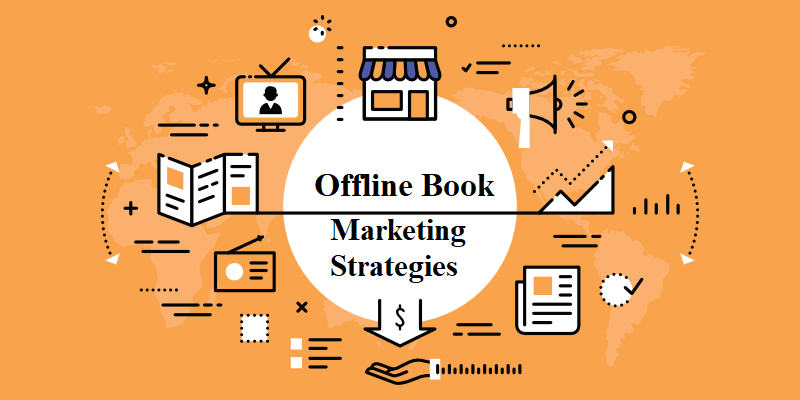
Launch Events & Book Signings
Meeting readers face-to-face strengthens connections and can generate strong early momentum.
Library & Bookstore Partnerships
Local libraries and bookstores can help your book gain visibility through shelf placement, reading events, and recommendations.
The Impact of Reviews on Book Sales

Getting More Reviews the Right Way
Reach out to influencers, book bloggers, beta readers, and launch teams to gather honest reviews.
Using Reviews as Social Proof
High-rated reviews influence buying decisions and boost credibility on Amazon, Goodreads, and book-related social platforms.
Smart Budgeting for Book Marketing
Zero-Cost Marketing Ideas
Organic marketing still works extremely well:
- Reader groups
- Social media engagement
- Author networking
- Press outreach
When to Invest in Paid Advertising
Paid ads work best when:
- You already have a small audience
- You have early reviews
- You’ve identified your core readers
This helps you scale your reach faster and more efficiently.
Common Book Marketing Mistakes Authors Should Avoid
- Marketing too late
- Trying to reach everyone
- Using only one platform
- Ignoring reader feedback
- Inconsistent posting or updates
Avoiding these mistakes keeps your strategy strong and impactful.
The Future of Book Marketing
AI-Powered Promotion Tools
AI can analyze reader behavior, suggest keywords, optimize Amazon listings, and identify trends—helping authors market smarter.
Emerging Immersive Experiences
VR and interactive storytelling are slowly shaping the future, offering readers new ways to experience books.
Conclusion
Book marketing is the backbone of author success. It increases your book’s visibility, builds your brand, strengthens reader connections, and ensures your hard work reaches the right audience.
Whether you’re a new author or an experienced one, consistent marketing is the key to long-term success.
FAQs
Q1:When should I start marketing my book?
Start at least 3–6 months before launch for the best results.
Q2:Is social media necessary for book marketing?
Yes, social platforms are essential for reaching new readers and staying connected with your audience.
Q3:Can you market a book without spending money?
Yes—organic strategies like reader engagement, newsletter building, and free press can be extremely effective.
Q4:What’s the best platform for book advertising?
The US Writers provides reliable book marketing and ads services that help authors reach the right readers without managing complex ad platforms.
Q5:How do you track book marketing success?
Analyze sales data, website traffic, reader engagement, newsletter growth, and review count.