
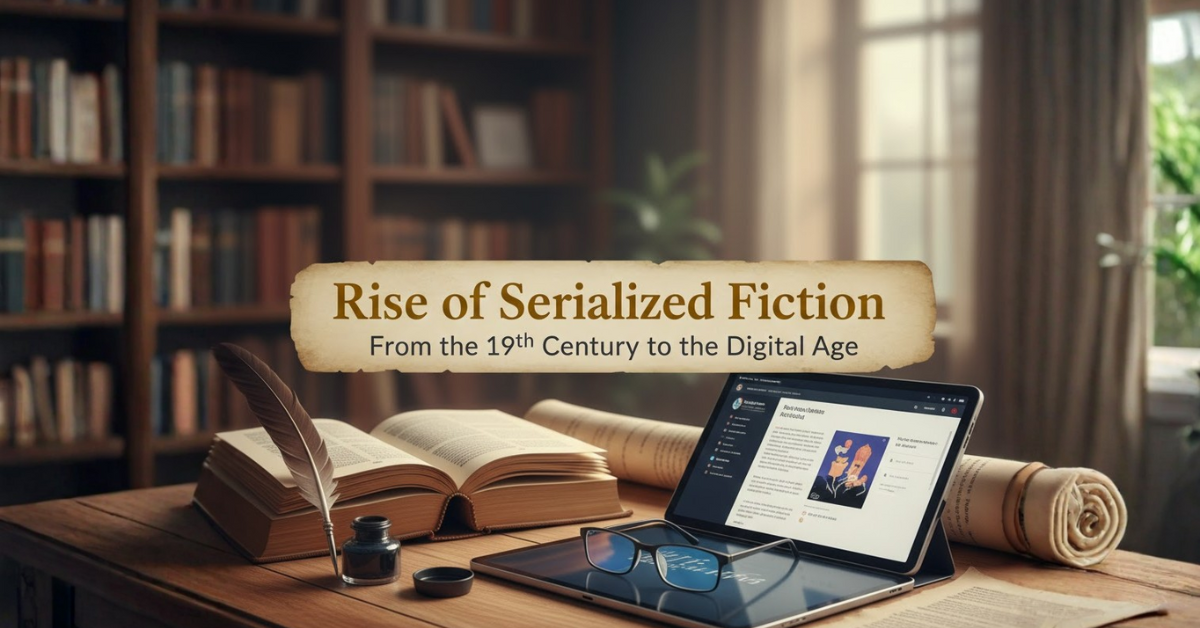
The Rise of Serialized Fiction: From the 19th Century to the Digital Age
Serialized fiction has seen a remarkable resurgence in recent years, particularly with the rise of online platforms and e-books. If you’ve ever found yourself hooked on a series that unfolds over time, you’re part of this growing trend. But why has serialized fiction gained so much traction?
Whether you’re an aspiring writer or an avid reader, serialized stories offer a unique experience, one where suspense, community engagement, and anticipation reign. This article explores the fascinating history, the rise of digital platforms, and why readers are increasingly drawn to serialized fiction.
What is Serialized Fiction?

Serialized fiction refers to stories published in smaller, episodic segments, typically released over a period of time. Each installment often ends on a cliffhanger, leaving readers eager to know what happens next. This format builds suspense, which keeps the readers coming back for more.
A significant part of its appeal is the gradual unfolding of the plot, the development of characters over time, and the evolving narrative that feels almost like a conversation between the author and the audience.
Unlike traditional novels, where readers are provided with the complete narrative in one go, serialized fiction allows for engagement with the content over weeks or even months. This format offers more than just reading pleasure; it creates a community of readers who anxiously await each new installment, often interacting with the writer and other readers in the process.
A Brief History of Serialized Fiction: Origins and Evolution
Serialized fiction’s roots trace back to the 19th century, when the format was first utilized to make literature accessible to a broader audience. At that time, books were expensive and often difficult to obtain for the average reader. By serializing stories in newspapers or magazines, authors could reach a larger, more diverse audience.
The Early Days: 19th Century Origins
In the early days, serialized fiction provided a unique solution to an economic and social challenge. By releasing works in parts, authors could reach a much wider audience who otherwise could not afford to purchase a whole book.
This allowed the reading public to enjoy the works of literary giants while still being financially accessible.
Charles Dickens and the Advent of Serialization
One of the most famous proponents of serialized fiction was Charles Dickens, whose works like The Pickwick Papers and Oliver Twist were first published in installments. This method not only built anticipation but also allowed Dickens to adjust the narrative based on audience reactions.
This was a major advantage for writers, an early form of audience feedback that modern authors still utilize through social media and direct engagement.
Why Serialized Fiction Works

The charm of serialized fiction lies in its ability to hook readers with cliffhangers and suspense. Each chapter leaves the audience eagerly anticipating what will happen next, often with unresolved plotlines that compel readers to return.
This continuous buildup not only intensifies emotional engagement but also creates a dynamic, ongoing relationship between the author and the reader.
Serialized Fiction vs. Traditional Novels
Comparing the Structure and Format
Serialized fiction typically unfolds in shorter, bite-sized chunks, while traditional novels are longer, complete works. Serialization allows for a more gradual reveal of plot details, which can lead to deeper character development and more intricate world-building.
Pros and Cons of Serialization
The primary benefit of serialized fiction is that it builds suspense and encourages reader engagement. However, it can also pose challenges for writers in terms of maintaining consistency and pacing over time.
The Role of Suspense in Serialization
Suspense plays a crucial role in serialized fiction. The anticipation of what happens next drives readers to continue following the story, making it more addictive and engaging than a complete novel.
Famous Works of Serialized Fiction
Classic Examples (Dickens, Dumas, etc.)
As mentioned earlier, classic authors like Charles Dickens and Alexandre Dumas are iconic figures in the world of serialized fiction. Their works, such as A Tale of Two Cities and The Count of Monte Cristo, captivated audiences over months or even years.
Modern Examples (George R. R. Martin’s ‘A Song of Ice and Fire’)
In modern times, George R. R. Martin’s A Song of Ice and Fire (which inspired the Game of Thrones TV series) is a prime example of serialized fiction achieving global success. Fans eagerly await each new installment, and the series’ delayed publications only heighten the excitement.
How Authors Benefit from Serialization
Flexibility and Experimentation in Storytelling
Serialized fiction gives authors the freedom to experiment with different plot lines, characters, and settings. Since each installment is released gradually, authors have the chance to adjust based on audience reactions.
Building a Fanbase Over Time
As authors continue to release chapters, they build a dedicated fanbase. Readers who connect with the story are likely to spread the word, helping the author gain wider recognition.
Monetizing Serialized Content
Many authors are now monetizing their serialized works through subscriptions, crowdfunding, and even offering premium content for paying readers. This model has allowed many independent authors to make a living from their writing.
The Challenges of Writing Serialized Fiction
Maintaining Consistency in Plot and Characterization
One of the biggest challenges of serialized fiction is maintaining consistency in the plot and characters over time. Writers must ensure that the story remains cohesive and that character development doesn’t feel disjointed between installments.
Balancing Cliffhangers with Story Development
Writers must strike a balance between creating suspense with cliffhangers and ensuring that each installment contributes meaningfully to the overall plot. A constant string of cliffhangers without proper development can frustrate readers.
Conclusion
Serialized fiction has evolved into a powerful storytelling format, captivating readers through suspense and engagement. As the genre grows, writers need the right support to succeed. At US Writers, we specialize in helping authors publish and promote their serialized works, ensuring they reach a dedicated audience.
Contact us today to take your serialized fiction to the next level and connect with your readers.
FAQs
- What is the difference between serialized fiction and regular novels?
Serialized fiction is released in parts over time, while regular novels are published in full at once, allowing for uninterrupted reading. - Why do people enjoy serialized fiction?
The suspense created by cliffhangers and the opportunity for readers to influence the plot make serialized fiction uniquely engaging. - How has the internet influenced serialized fiction?
The internet has made serialized fiction more accessible, allowing authors to publish in real-time and engage directly with readers. - Can serialized fiction be profitable?
Yes, many authors earn money through subscriptions, crowdfunding, and selling premium content. - What challenges do authors face when writing serialized fiction?
Authors must maintain consistency in character development, plot pacing, and manage reader expectations while balancing suspense with meaningful story progression.